

 Deutsch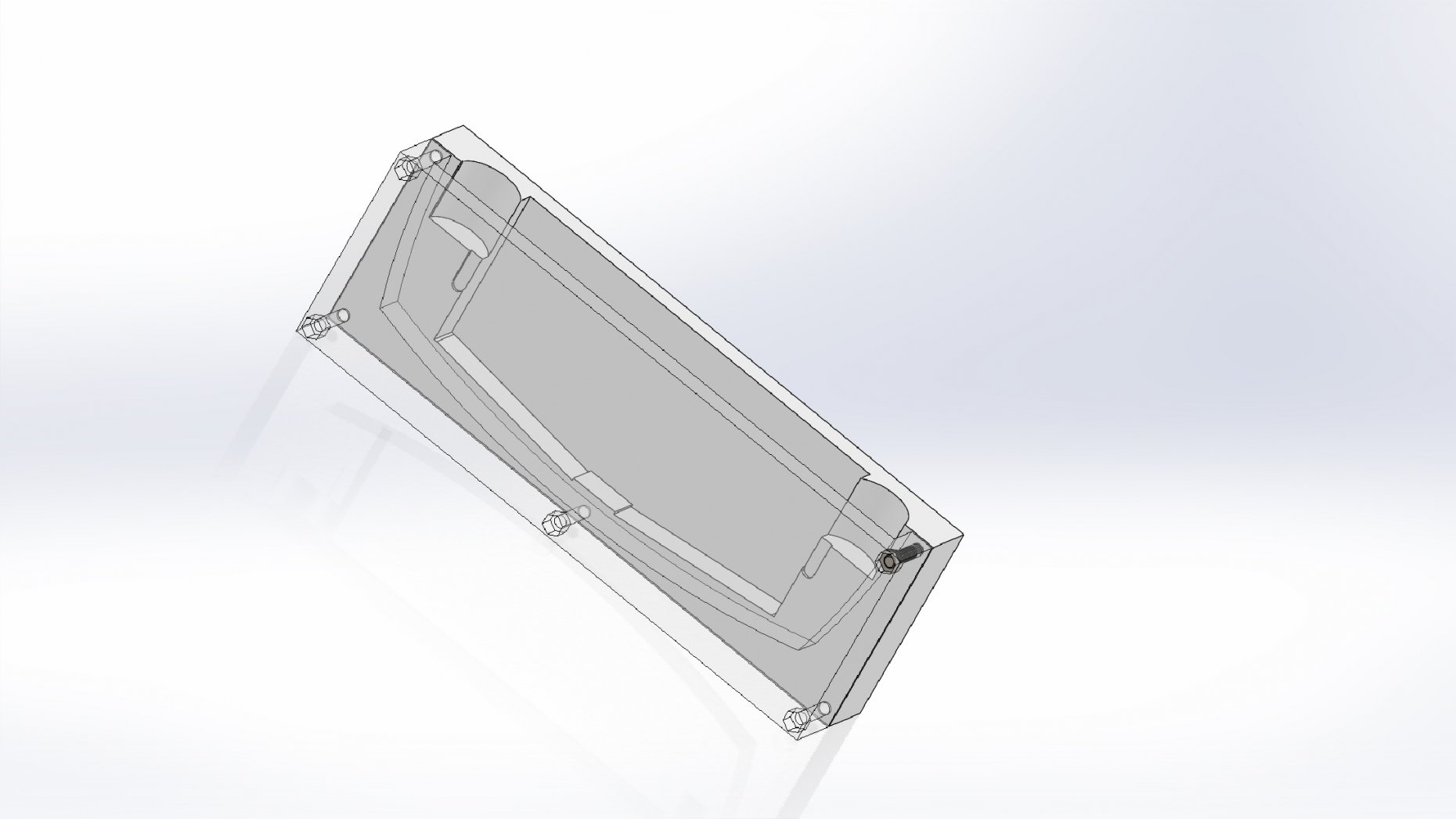
From the 3D printer: a mount for holding the Steasy® battery pack during the UN 38.3 vibration test
Thursday, 11 August 2022
There was recently a post on this blog regarding our 3D printer used for making samples and prototypes. The 3D printer allows both our customers and us to enjoy speed and flexibility in various process steps. For instance, this is true for the start-up Steasy®: We printed a mount designed to hold the start-up’s custom
- Published in Battery Technology
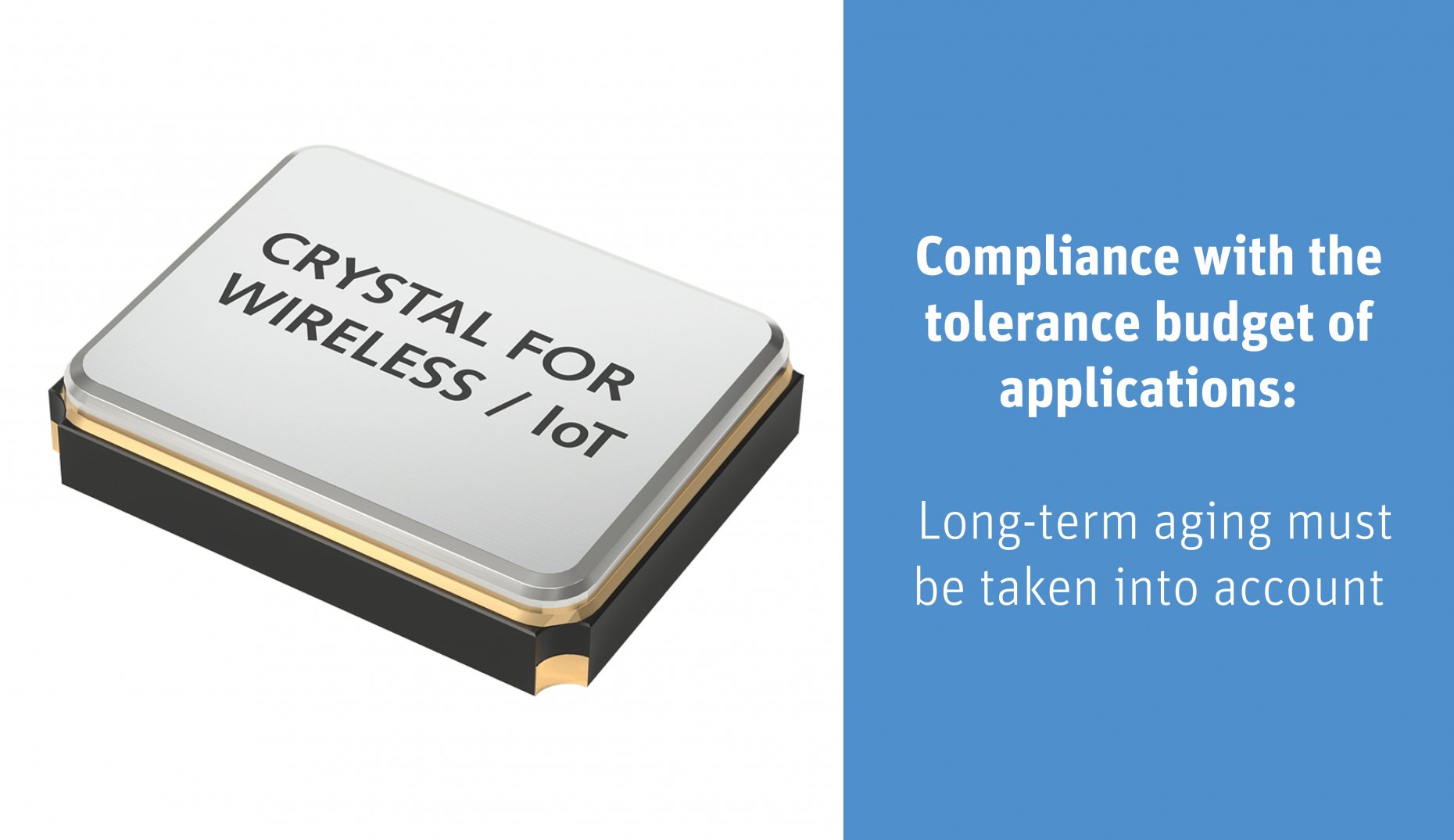
Compliance with the tolerance budget of applications: long-term aging must be taken into account
Thursday, 28 July 2022
Each application has a tolerance budget in terms of frequency deviation that must be adhered to even in the worst case scenario in order to ensure that the application functions. Developers must therefore be aware of all factors that can lead to frequency deviations. The sum of all worst-case scenarios of these factors must not
- Published in Frequency Control Products
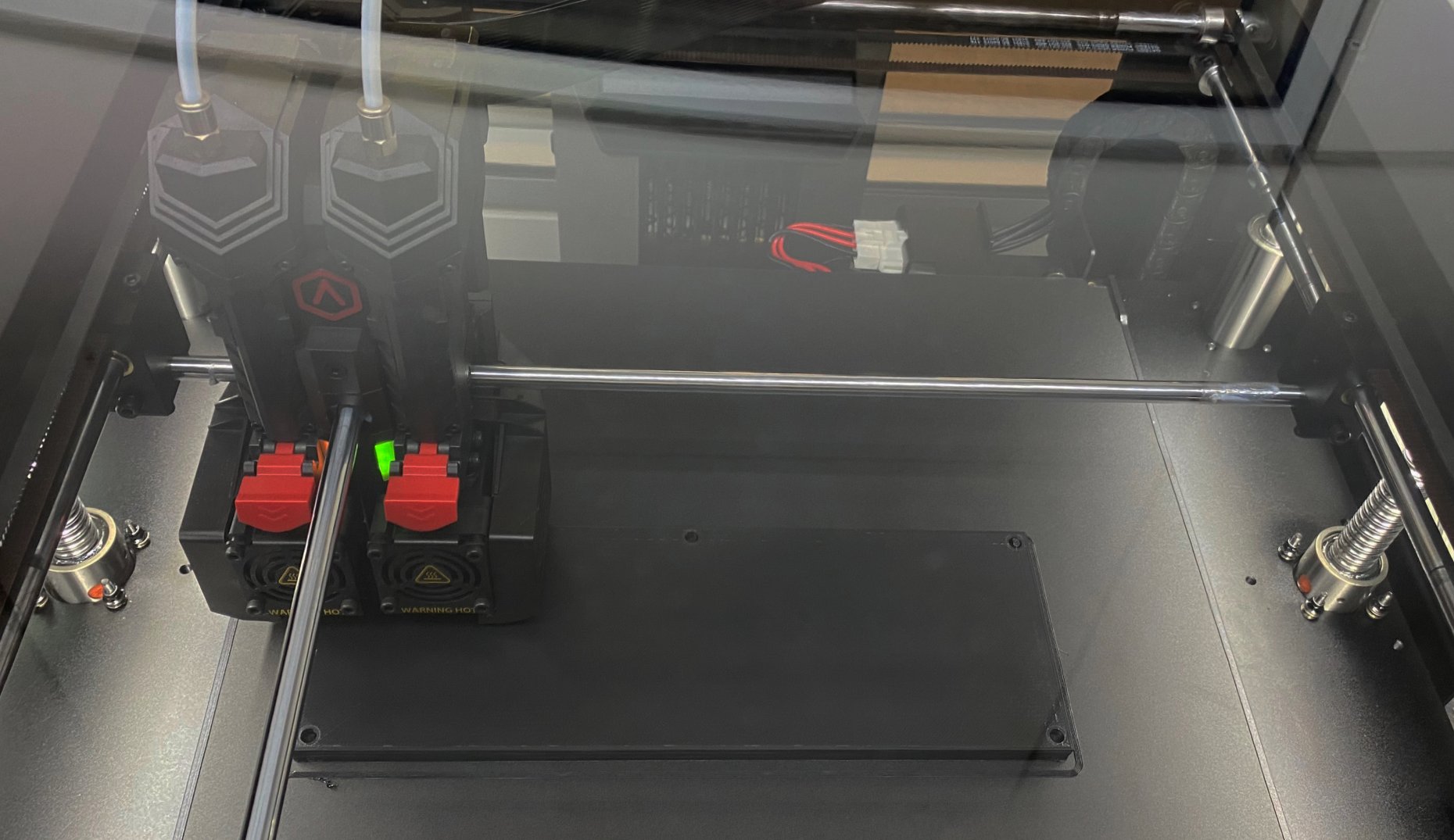
Creating a prototype in a short time – with the 3D printer
Tuesday, 05 July 2022
A new machine is improving our sample and prototype construction in Villingen-Schwenningen – although calling it a ‘machine’ may be stretching it 😊. Instead, what we have is a 3D printer, which brings a number of advantages: both our customers and our own in-house staff now benefit from greater speed and flexibility when it comes
- Published in The Company

Customer Success Story: The tripod for thermal imaging and night vision cameras – a lithium-ion battery for XSPECTER
Friday, 01 July 2022
Founded in October – and on the market within just six months: Start-up XSPECTER has its T-CROW XRII to thank for this success. The product behind this futuristic name is a special tripod for thermal imaging and night vision cameras. The product: A controllable 3D-printed camera tripod The T-CROW XRII is a controllable camera tripod
- Published in Battery Technology, Customer Success Stories
Battery Safety – The CE Mark
Thursday, 23 June 2022
In the development of battery packs, the focus is often only on technical development. However, this alone does not go far enough. After all, new batteries require various certifications so that they can be placed on the market in compliance with the law. Worldwide, there is a multitude of different rules and regulations concerning the
- Published in Battery Technology
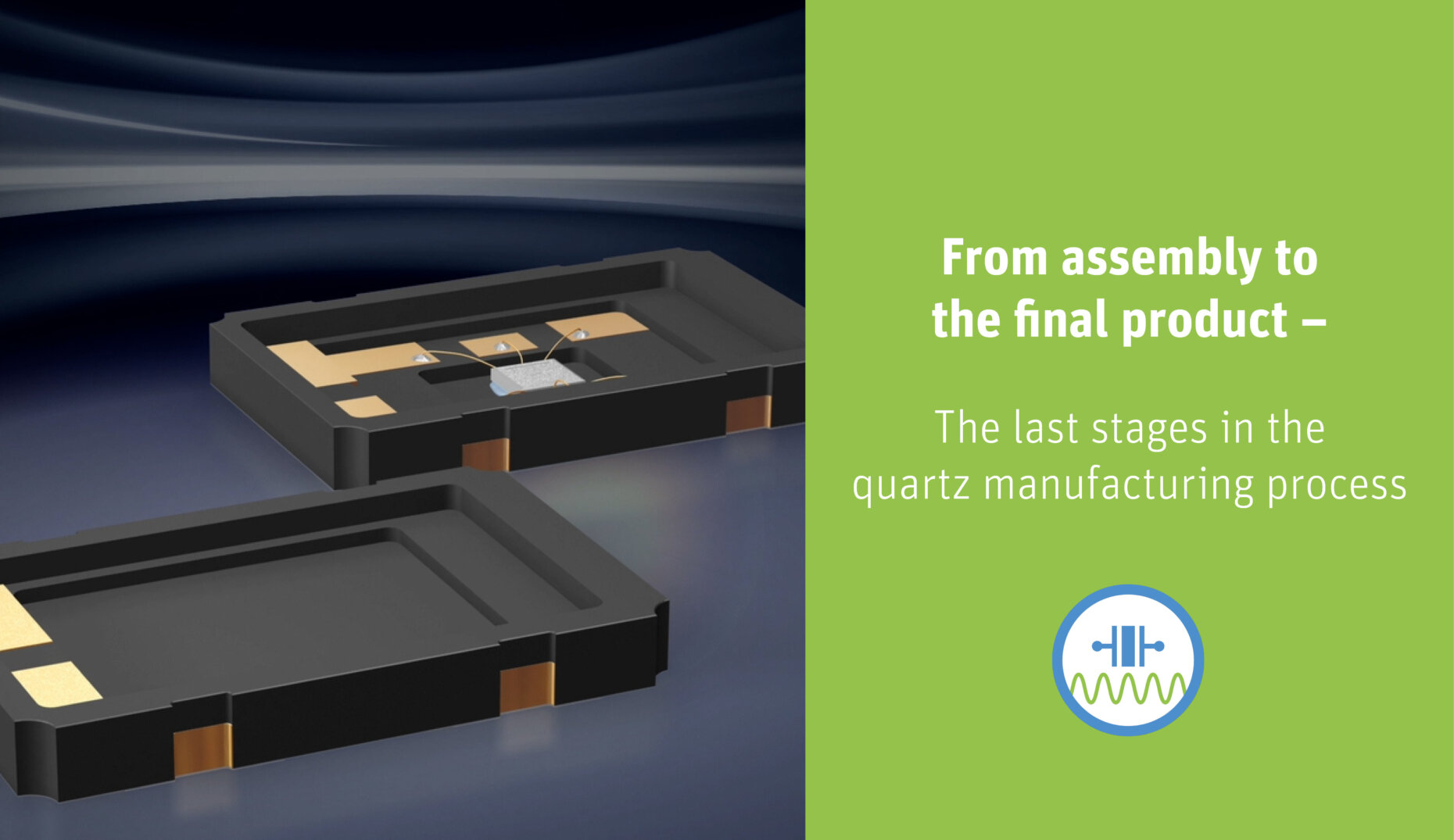
From assembly to the final product – the last stages in the quartz manufacturing process
Thursday, 02 June 2022
In the blog posts Ask the Product Manager: Are real rock crystals used for production of oscillating quartz crystals? and Quartz production process: from quartz block to quartz blank, we have already taken a closer look at the first stages in quartz production, what material the quartz blanks are made of and what steps are
- Published in Frequency Control Products
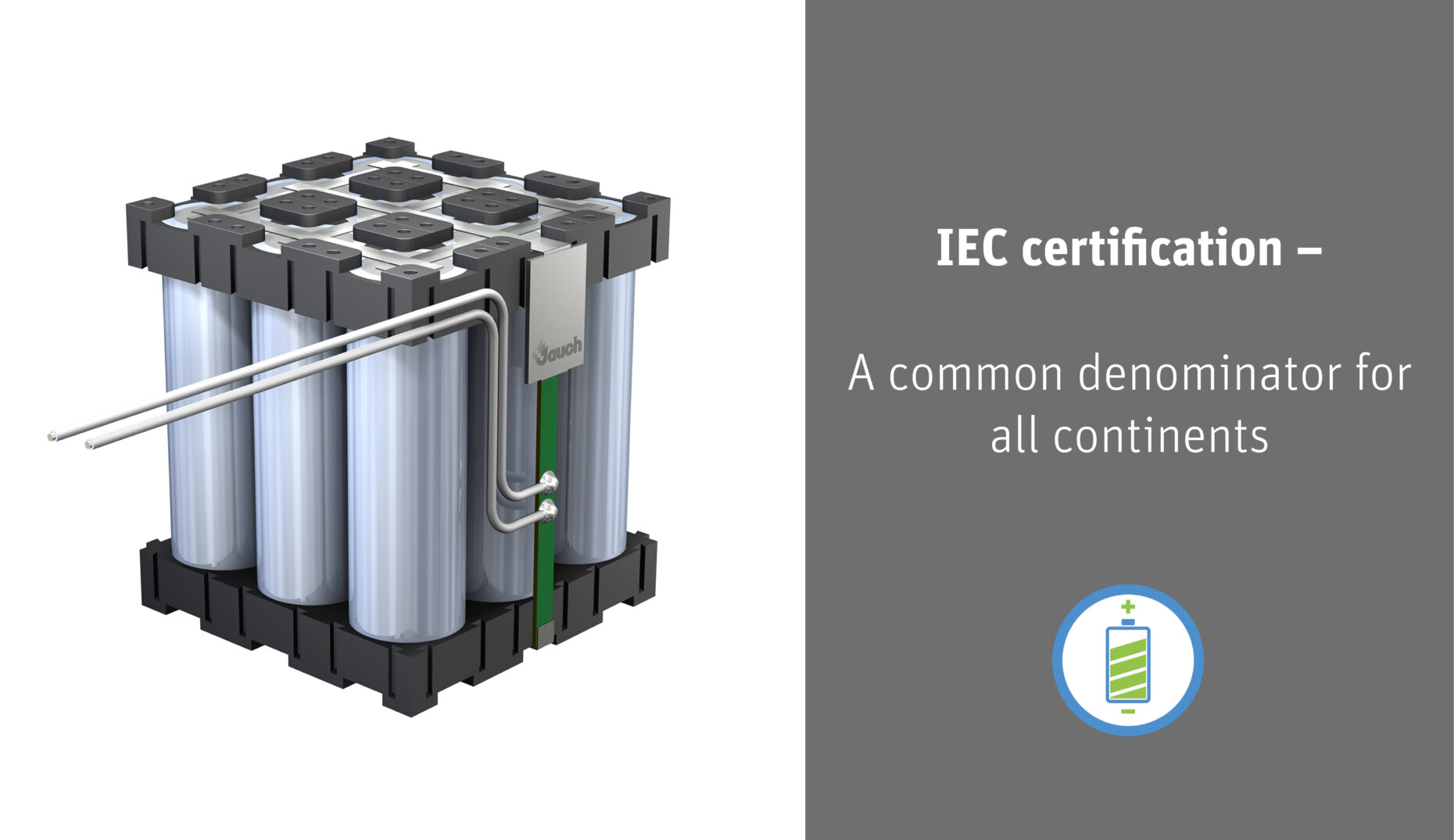
IEC certification – A common denominator for all continents
Monday, 30 May 2022
The standards of the International Electrotechnical Commission (IEC) are among the most important groups of standards for the certification and safety of electronic products. They include both cells and batteries and span primary cells, secondary cells, battery packs and portable device batteries. In addition to the requirements for the devices and central rules for the
- Published in Battery Technology
UL certification – the key to the US market
Tuesday, 24 May 2022
For market access in the USA, a so-called NRTL test mark is required for many products. As NRTL does not have its own test mark, test laboratories are accredited accordingly and their test marks are then recognised as NRTL test marks. The most important test mark on the US market comes from Underwriter Laboratories (UL).
- Published in Battery Technology
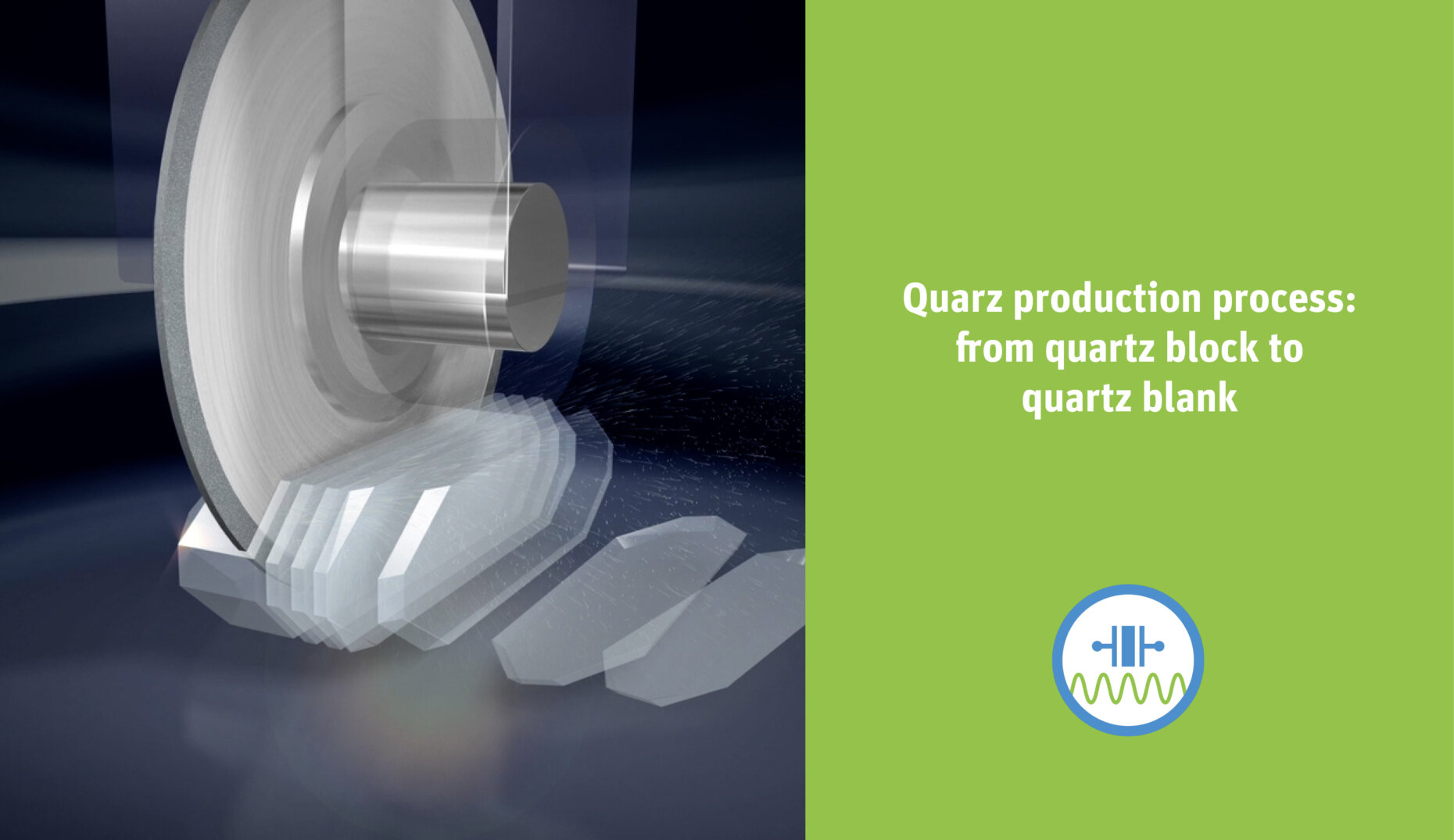
Quartz production process: from quartz block to quartz blank
Tuesday, 03 May 2022
The previous blog post entitled: Ask the Product Manager: Are real rock crystals used for production of oscillating quartz crystals? covered the initial stages in the production of these small clocks. Quartz is artificially grown in autoclaves, reaching a weight of several kilos. From this point, however, we are still a few production stages away
- Published in Frequency Control Products

Mandatory program for shipping batteries: the UN 38.3 transport test
Tuesday, 03 May 2022
There are various certifications that are relevant when dealing with batteries. On the one hand, this includes the UN38.3 transport test, which concerns the transport safety of lithium batteries. This test is a must as soon as batteries are shipped. On the other hand, there are certifications that, although not mandatory, confirm the safety of
- Published in Battery Technology