

 Deutsch
Transport of Lithium Batteries According to UN 38.3
Tuesday, 09 July 2019
Lithium batteries and battery cells are classified as dangerous goods class 9, just like liquid nitrogen, for example. The legal requirements for safe transport are correspondingly high. Whether by rail, road or air, the eligibility of lithium cell or battery shipments is regulated by the transport test 38.3 of the United Nations. A shipment is
- Published in Battery Technology
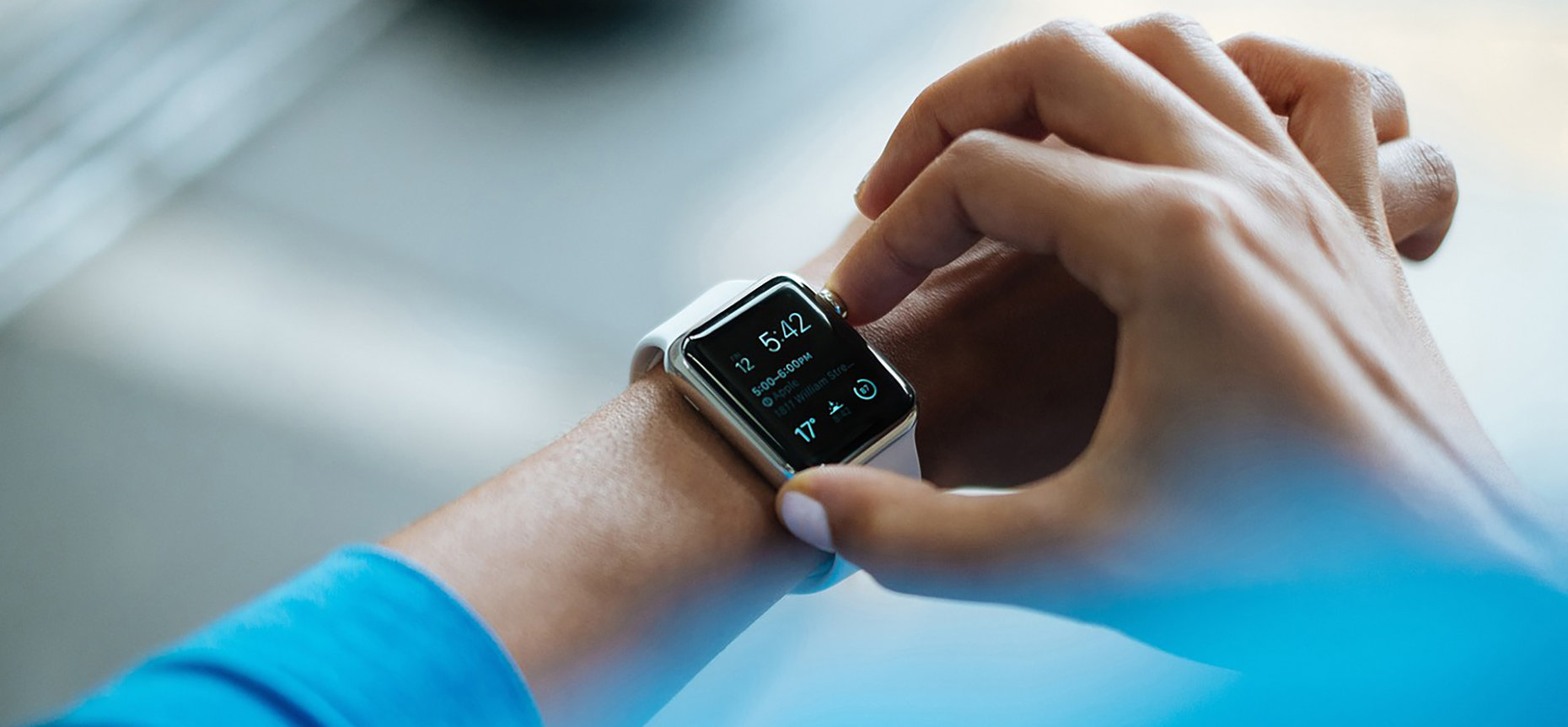
They’re everywhere – Quartz Crystals and Oscillators in Everyday Life
Tuesday, 25 June 2019
Right at the beginning of this article I have to make a confession: When I joined Jauch’s marketing team almost five months ago, I didn’t have the slightest idea about frequency components. I didn’t know what a quartz was, what it looked like or how it differed from an oscillator. Of course, this has now
- Published in Frequency Control Products
Short Delivery Times Thanks to High Availability
Thursday, 13 June 2019
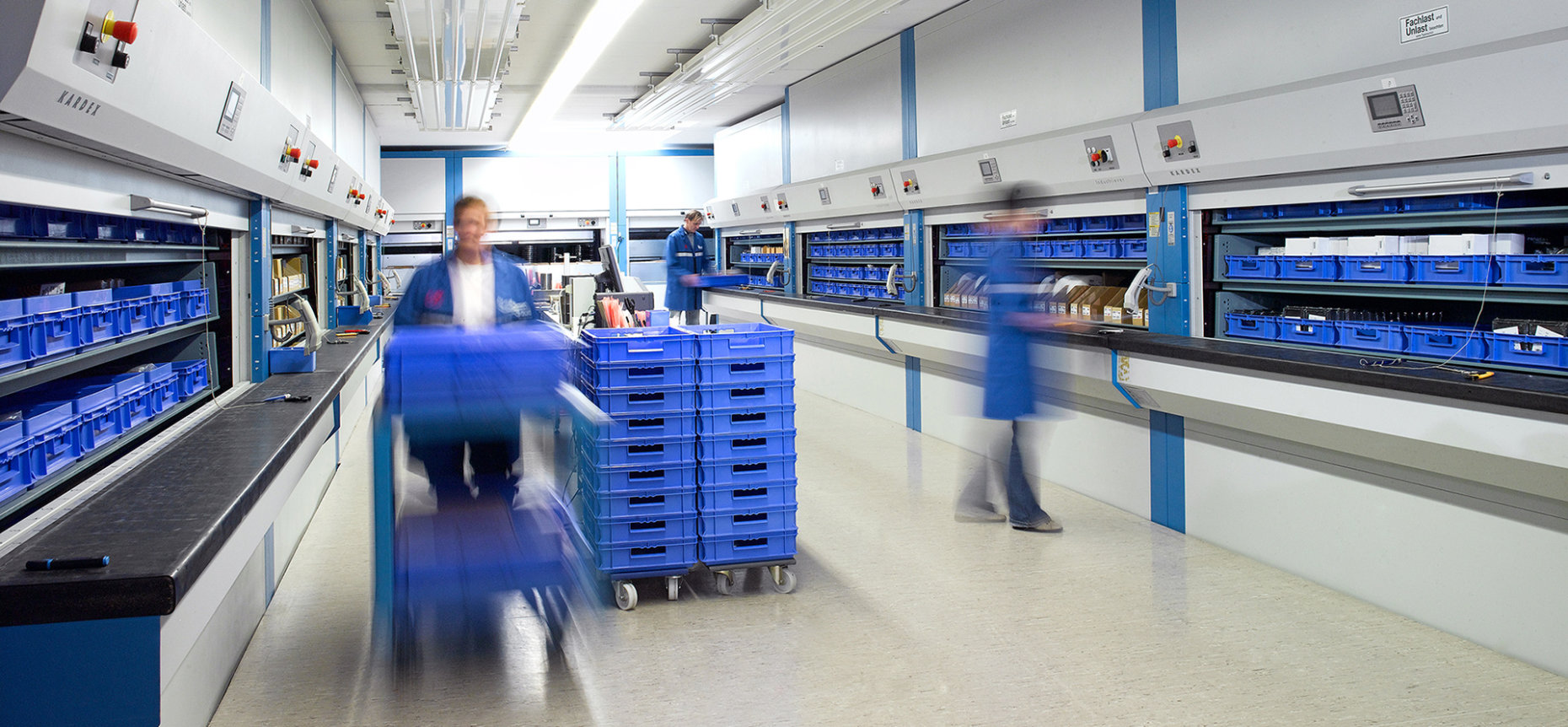
24 million quartz crystals and crystal oscillators are stored at the Jauch Headquarters in Germany, on average of course! This makes the medium-sized company from the Black Forest one of the world’s largest warehouses for frequency control products. The main advantage of the large stock is speed. Often, components from Jauch’s broad portfolio are already
- Published in The Company
Powerful and Flexible: The Lithium Polymer Battery
Wednesday, 05 June 2019
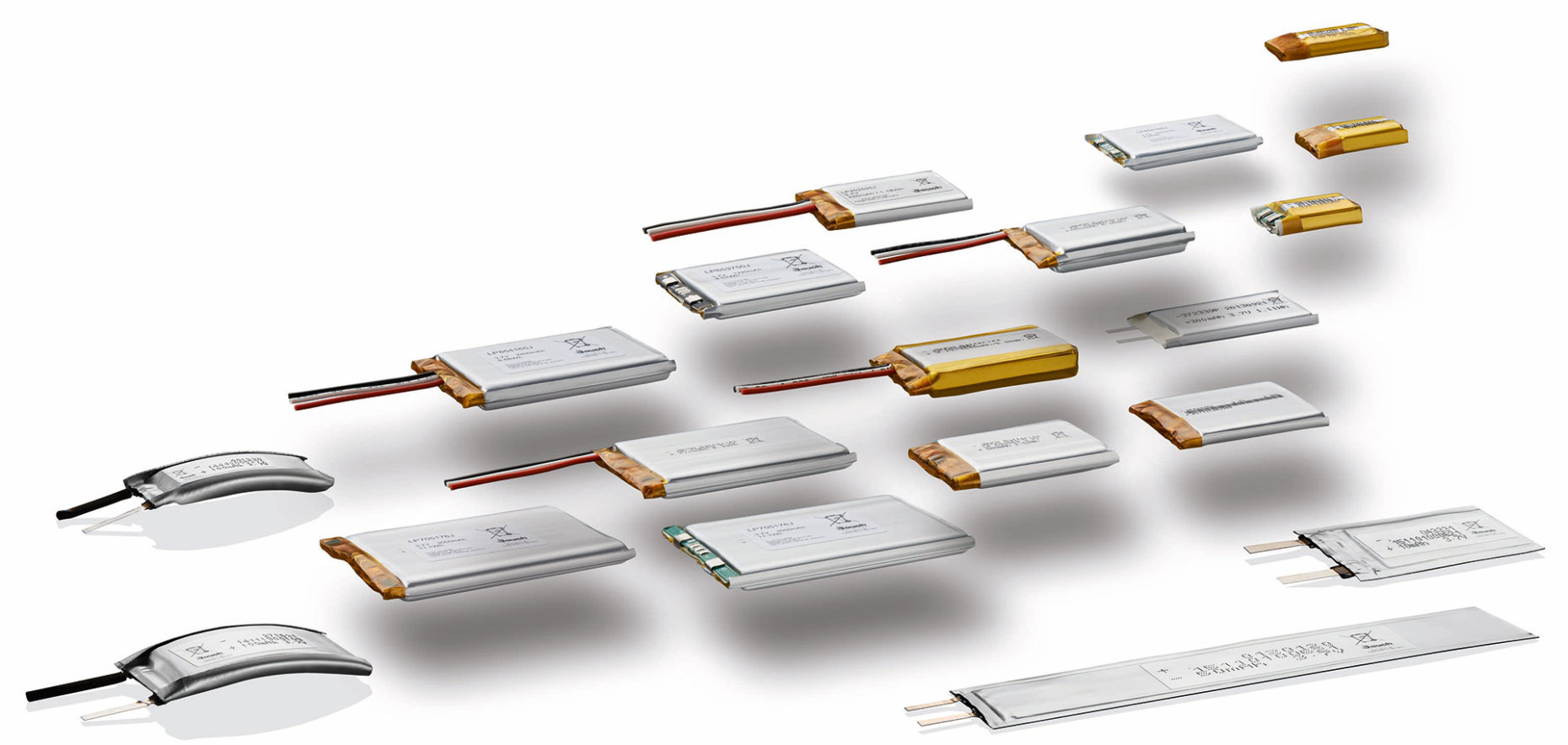
One thing is for sure: lithium battery technology is currently leading the way in the field of mobile power supply. Just look in your pocket: There is no smartphone that is not powered by a lithium polymer battery. Since the Swedish mobile phone provider Ericsson launched the first mobile phone with a lithium polymer battery
- Published in Battery Technology
Ask The Engineer: How Are Quartz Crystals with A Frequency Tolerance of only +/- 10 ppm produced?
Wednesday, 29 May 2019
Basic tone crystals with high frequencies are in great demand, especially for wireless applications in the Internet of Things industry. More and more often we find devices communicating with each other and exchanging data via radio, for example via Bluetooth, ZigBee or ISM. All these radio standards use frequency bands in the three-digit megahertz or
- Published in Frequency Control Products
Jauch Crystals in Electric Racing Car
Friday, 17 May 2019
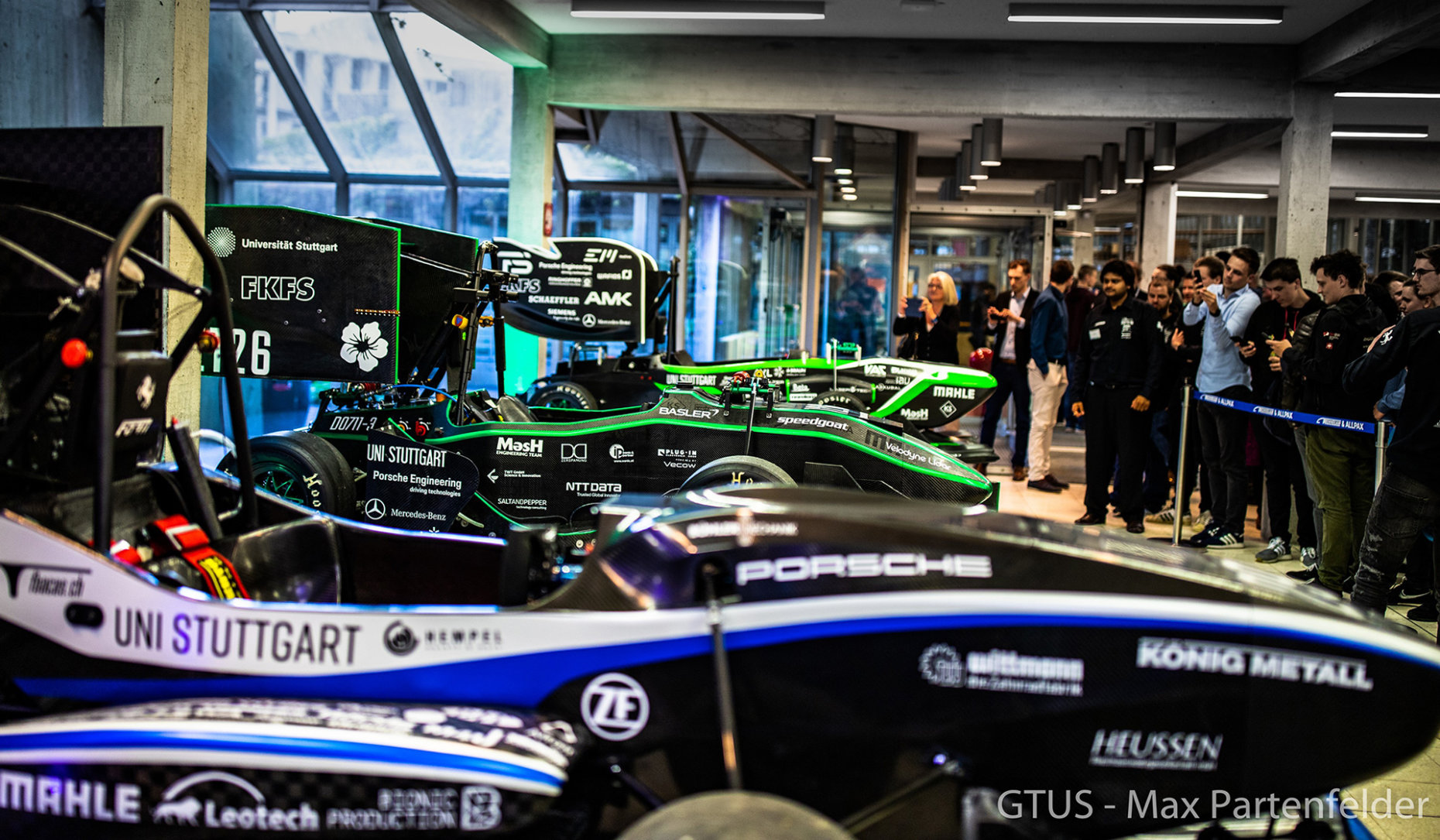
Sized at just a few millimeters, quartz crystals are probably ranked highest among the inconspicuous electrical components. Although hardly any electronic application could operate without these components, even engineers often see them as a minuscule detail. However, Jauch’s support of the “GreenTeam” at the University of Stuttgart demonstrates the importance of quartz crystals in the
- Published in Frequency Control Products
Why Do Tuning Fork Crystals Always Have A Frequency of 32.768 kHz?
Wednesday, 27 March 2019
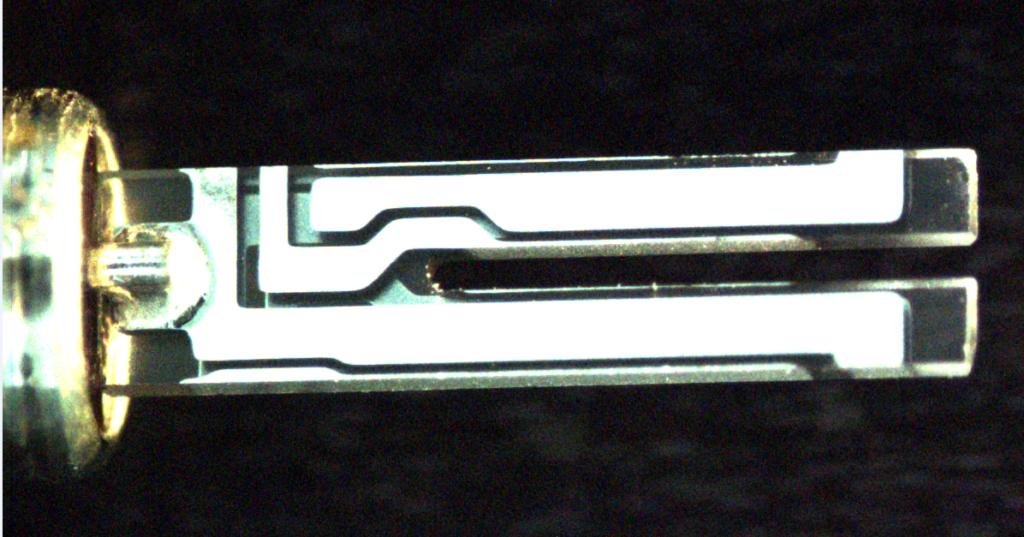
The tuning fork crystal as it is used in watches is something like the “classic” among the quartz crystals. Its frequency is always exactly 32.768 kHz. But why this value? The answer to this question can be found in the history of quartz crystals. Bell Telephone Laboratories, the former research department of today’s telecommunications group
- Published in Frequency Control Products
Stable Frequency at Variable Supply Voltage – Jauch Presents New Oscillators
Wednesday, 06 March 2019
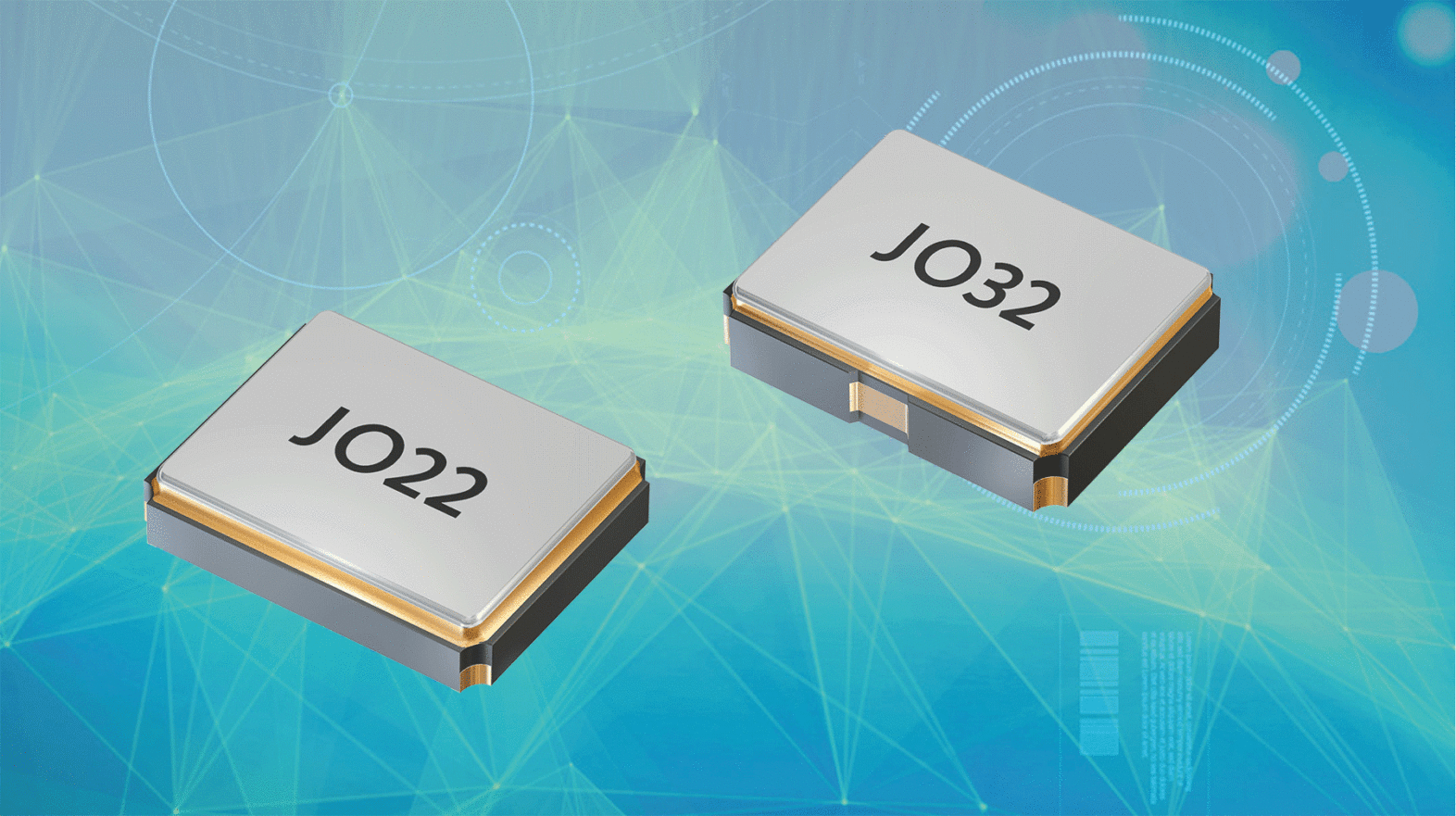
If you want to equip your product with an oscillator, and there is hardly an electronic application that can do without, you must define the operating voltage of your application first because oscillators are usually “calibrated” to a specific voltage value. A precise frequency requires a constant and predetermined working voltage. If deviations occur, the
- Published in Frequency Control Products

How It All Began: The Voltaic Pile
Monday, 18 February 2019
In the year 1800, Italian physicist Alessandro Volta presented his latest invention to the Royal Society in London. His Voltaic Pile was the first battery. For the first time, a permanent flow of electricity could be created and held over a long period; a scientific sensation that paved the way into the electric age. The
- Published in Battery Technology
One Company – One Team: electronica 2018 in Munich
Tuesday, 20 November 2018
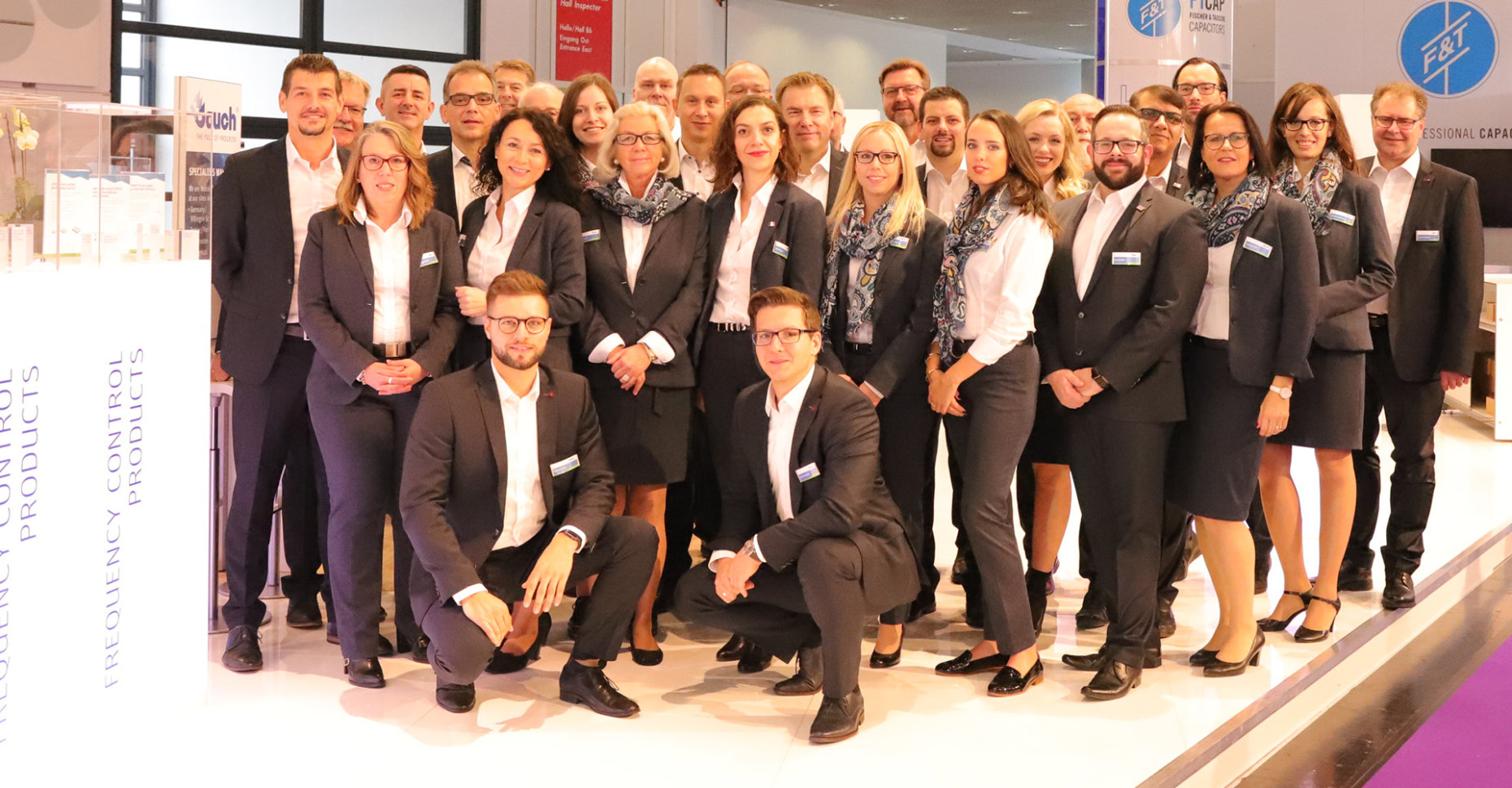
The biggest electronica of all time took place last week in Munich. The world’s leading trade fair for electronics attracted 80,000 visitors, more than ten percent increase compared to the last show in 2016! Visitors from 80 countries used the four days of the fair to exchange ideas with more than 3,100 exhibitors in 17
- Published in The Company