
 Deutsch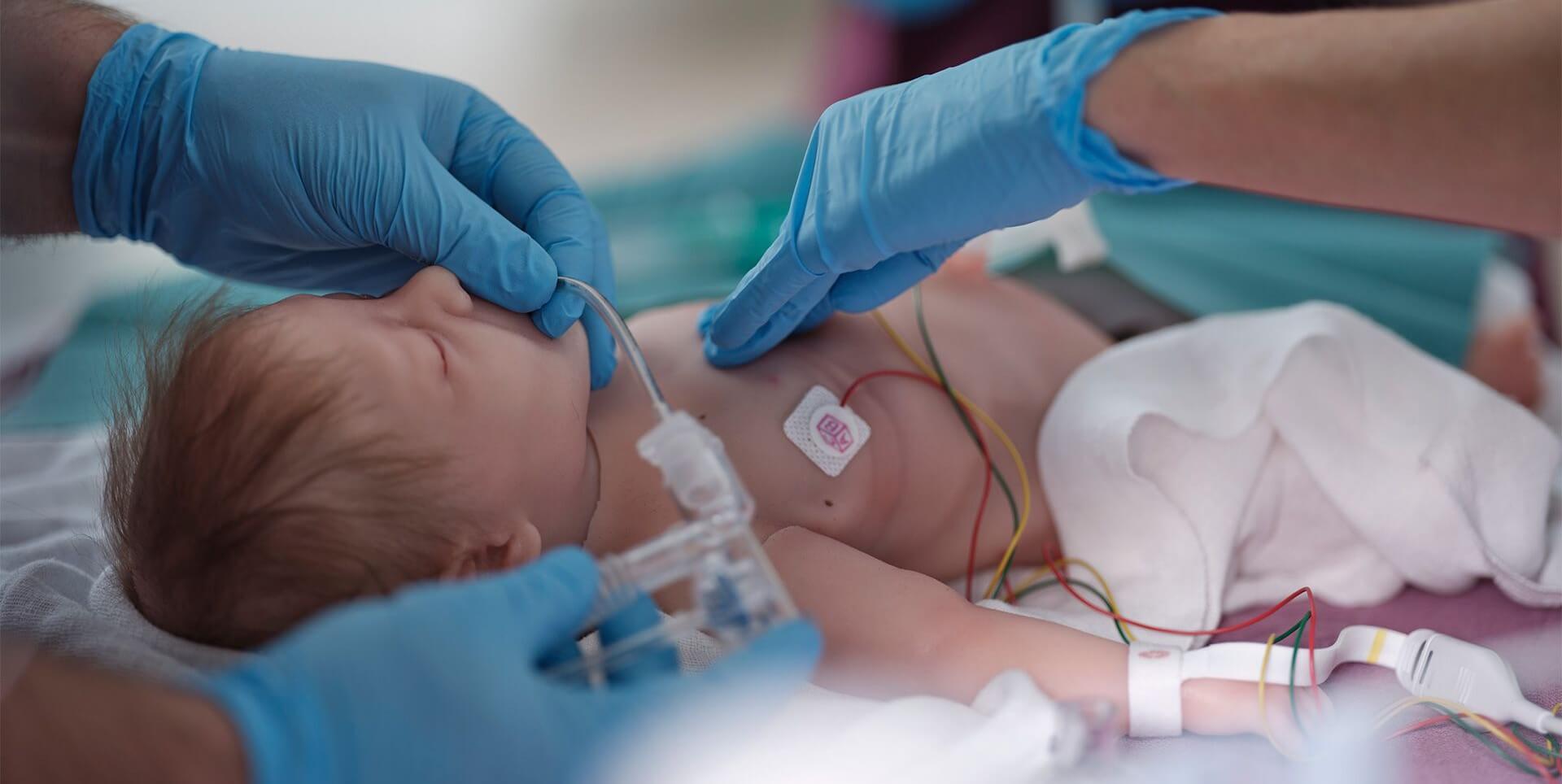
Laerdal Labs Vienna GmbH develops and manufactures highly realistic patient simulators for neonatal and preterm care in Vienna. The company was founded in 2012 by pediatrician Dr. Jens-Christian Schwindt, originally under the name SIMCharacters, with the mission of improving medical care for critically ill children worldwide.
Since early 2024, the team of around 30 employees at the Vienna site—led by Michael Haller, MSc, as Head of Engineering—has been part of Laerdal Medical AS, the Norwegian global leader in medical simulation. As an integral part of Laerdal’s global network, the team is working on new solutions to enhance patient safety in pediatric medicine.
While realistic simulation training has long been standard practice in aviation and aerospace, this approach is now increasingly being adopted in healthcare. Simulation enables medical teams to train complex workflows, effective communication, and decision‑making processes under highly realistic conditions. This helps them build routine, confidence, and trust in their actions during critical situations.
Where technology meets medicine: The development of Paul, Emily, and Emma
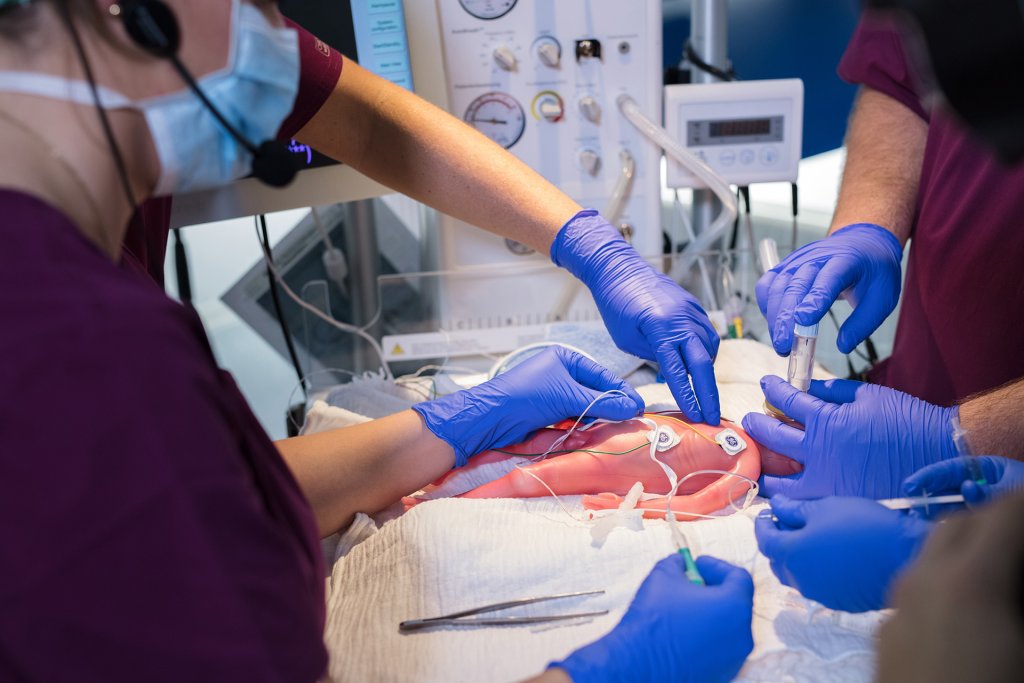
The first product developed was the preterm infant simulator Paul. This highly realistic patient simulator accurately represents a premature baby at 27 weeks of gestation, weighing approximately 1,000 grams. Paul is used in hospitals and training centers worldwide to practice the care of this particularly vulnerable patient group under realistic conditions.
With the subsequent models Emily and Emma, Laerdal Labs Vienna expanded its portfolio. Both simulators represent full‑term newborns and enable medical teams to train the care and resuscitation of critically ill newborns in near‑real-life scenarios.
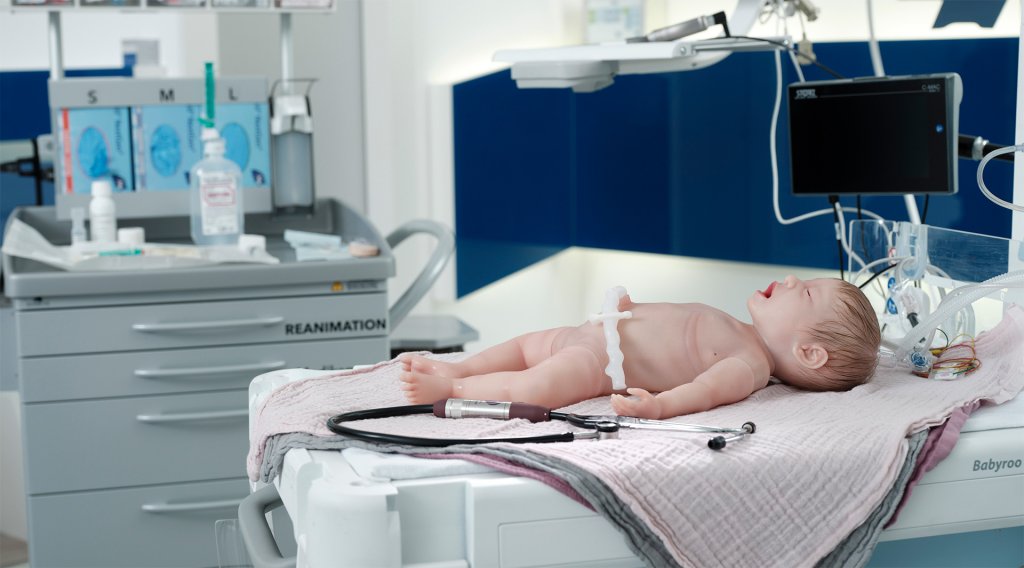
All simulators from Laerdal Labs Vienna are characterized by high anatomical precision and a sophisticated interplay of sensors, electronics, mechanics, and software. Inside each small simulator body, finely tuned systems work together to realistically simulate breathing, circulatory functions, and movement — reliably and consistently over many hours.
Power supply using Jauch Batteries
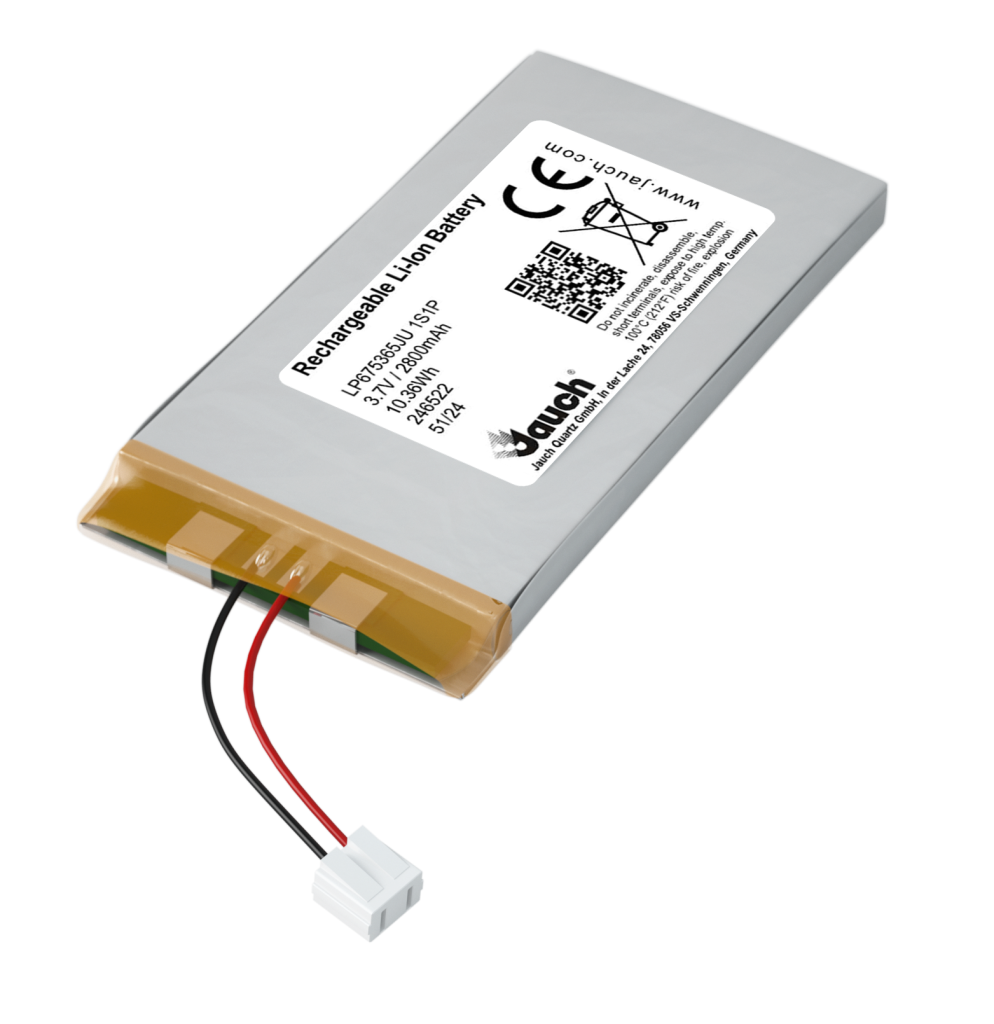
For the reliable and wireless operation of the preterm infant simulator Paul, as well as the newborn simulators Emily and Emma, Laerdal Labs Vienna relies on high‑quality Lithium Polymer Batteries from Jauch. Specifically, the battery types LP675365JU and LP103450JH. These batteries ensure a constant, high‑performance, and energy‑efficient voltage supply for the simulators’ complex technical systems. Thanks to Jauch’s well-matched battery solutions, the simulators can be operated for many hours — a decisive factor for training and simulation scenarios.
Simulation that builds trust
Paul, Emily, and Emma represent a new generation of medical training systems — realistic, durable, and intelligently controlled. Through an intuitive user interface, instructors can adjust scenarios, vital parameters, and responses in real time. This creates training environments that combine medical realism with technical innovation and enable teams to practice what truly matters in critical situations: acting competently, developing confidence in their own abilities, and ultimately saving lives.
The Jauch project team continues to experience firsthand just how impressively this combination of technology, medicine, and responsibility performs in practice:

“Seeing how realistically and hands‑on the training is conducted here, and recognizing the contribution these simulators make to patient safety, is truly rewarding. They demonstrate in a remarkable way how technology can protect lives. Being part of a system that prepares medical professionals for critical situations with purpose and precision is something to be proud of — and I am genuinely pleased that our Battery solutions allow us to contribute to that mission.”
— Jérémie Deloof, Project Lead and Deputy Sales Manager at Jauch
Precision in Every Detail
A defining characteristic of these lifelike simulators is their technological depth. To develop the highly realistic airway structures, MRI data from real preterm and newborn infants were analyzed and translated into physical models using 3D printing technology. This anatomical accuracy is essential for training life‑saving procedures — such as airway management — where precision is critical.
Equally important as the mechanical precision is the reliability of the power supply. The simulators operate with numerous sensitive sensors, micromotors, and control units that require a stable and fail‑safe power connection. This is where high‑quality Battery solutions from Jauch come into play, ensuring consistent power output, short charging times, and long service life. Since realistic simulation requires wireless operation, these Batteries enable stable and energy‑efficient system performance throughout the entire training session.
In addition to technological innovation, energy efficiency also plays a central role. Laerdal Labs Vienna relies on powerful, rechargeable Batteries that reliably support the operation of electronics, sensor systems, and motor mechanisms — without compromising on mobility or runtime. The collaboration with Jauch is therefore a key success factor in achieving the optimal balance between performance, weight, and sustainability.
Challenges in the Development Process
Developing highly realistic preterm and newborn simulators requires precise coordination between mechanical systems, electronics, and the Battery‑based power supply. One of the greatest challenges lay in miniaturization: all drive components, sensors, and control units must fit inside a simulator that matches a real newborn in size, weight, and movement behavior. The goal is to replicate natural motion, breathing, and physiological responses as realistically as possible — while working within extremely limited installation space and ensuring maximum energy efficiency.
Equally demanding was the development of a reliable and high‑performance energy solution. Since the simulators operate wirelessly, the Batteries must be compact, lightweight, and long‑lasting, providing a stable energy output throughout extended training sessions. The systems include numerous micromotors, sensors, LED components, and complex control electronics, all of which must be precisely aligned in their energy demand.
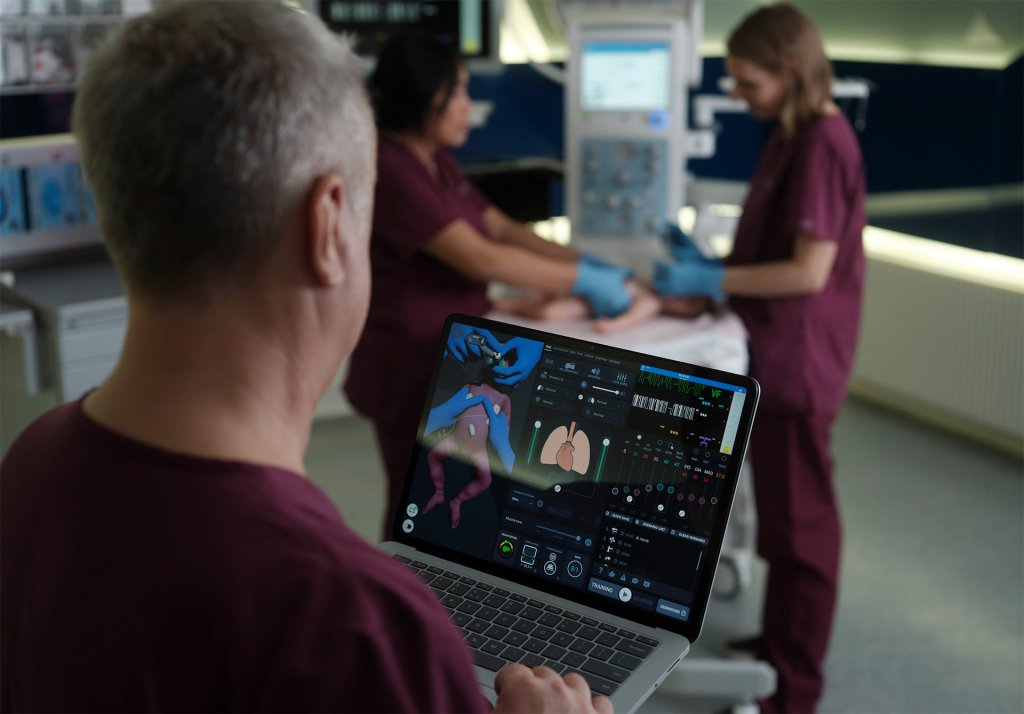
Through close collaboration with Jauch, a Battery solution was created that perfectly balances performance, runtime, weight, and safety. The specifically selected Battery types LP675365JU and LP103450JH feature high cycle stability, short charging times, and consistent power delivery — forming the foundation for the simulators’ realistic and fully wireless operation.
Importance of Certifications
In the development and production of the simulators, compliance with international safety and quality standards is a top priority. Because the systems are used worldwide in educational institutions, hospitals, and training centers, they must meet the regulatory requirements of multiple global markets.
All simulators from Laerdal Labs Vienna are therefore tested and certified according to European and international standards. These certifications ensure that the products meet both electrical and mechanical safety requirements and can be operated reliably during daily training routines.
The same applies to the Batteries supplied by Jauch: they too must meet the highest safety, performance, and quality standards and undergo the corresponding certification procedures. This ensure that all components — from the power supply to the control electronics — are optimally integrated and internationally approved.
Certified Batteries from Jauch
The two Jauch Batteries had already been certified at Jauch’s own Test and Certification Center, allowing Laerdal Labs Vienna to rely on pre‑tested Batteries — a significant time and cost advantage for the company. The Lithium Polymer Batteries were certified according to UN 38.3 and IEC 62133.
- UN 38.3 is an international testing standard that ensures Lithium Batteries comply with global transport regulations and remain safe under extreme conditions such as pressure, temperature fluctuations, shock, and short circuit.
- IEC 62133‑2 is a particularly important safety standard for applications in portable devices — including those used in medical technology. This certification requires the Battery to pass a wide range of demanding tests that simulate various stress and failure scenarios. In medical environments, this level of validation is essential, as the Batteries must not fail under any circumstances.
The preterm infant simulator
Paul has been successfully in use for several years and is now recognized internationally as a reference system for realistic neonatal training. Today, around 230 systems are in operation worldwide — in training centers, university hospitals, and educational institutions across several continents.
The newly developed simulators Emily and Emma are currently in the global market introduction phase. Series production has begun, and the first systems have been delivered to international customers since June 2025. With this new generation, Laerdal Labs Vienna is continuing its successful product line — featuring enhanced mechanics, electronics, and a refined Battery‑based power supply that enables even more realistic training conditions.
A partnership of Equals: Successful Collaboration Between Laerdal Labs Vienna and Jauch
In their search for a European partner capable of providing high‑quality and reliable Battery solutions, Laerdal Labs Vienna turned to Jauch. The decisive factors for entering the partnership included Jauch’s long‑standing experience, technological expertise, and the ability to develop customized solutions precisely tailored to the specific requirements of the simulators.
The collaboration proved extremely positive from the very beginning. The professionalism and dedication of the Jauch team were particularly valued. Open and constructive communication enabled efficient and targeted project execution. Thanks to the wide range of Battery sizes and capacities, it was possible to identify the optimal solution for each application. The high quality and reliability of the products played a decisive role in the successful implementation of the simulators.
“With Jauch, we have found a partner who not only understands our technical requirements but also responds to our needs with flexibility and a strong solution‑oriented approach. The collaboration is characterized by professionalism and mutual trust — and the results speak for themselves: our simulators benefit from reliable, high‑performance Batteries that meet the demanding standards of our products.”
— Dr. Jens‑Christian Schwindt, CEO of Laerdal Labs Vienna
Conclusion
The collaboration between Laerdal Labs Vienna and Jauch demonstrates how technological precision and innovative energy solutions can jointly create real added value. Jauch’s Battery technology plays a crucial role in ensuring that the simulators from Laerdal Labs Vienna operate with mobility, high performance, and reliability — thereby helping to shape the future of patient safety in a meaningful way.
Your contact
Jérémie Deloof, Sales Manager
+49 7720 945 177